

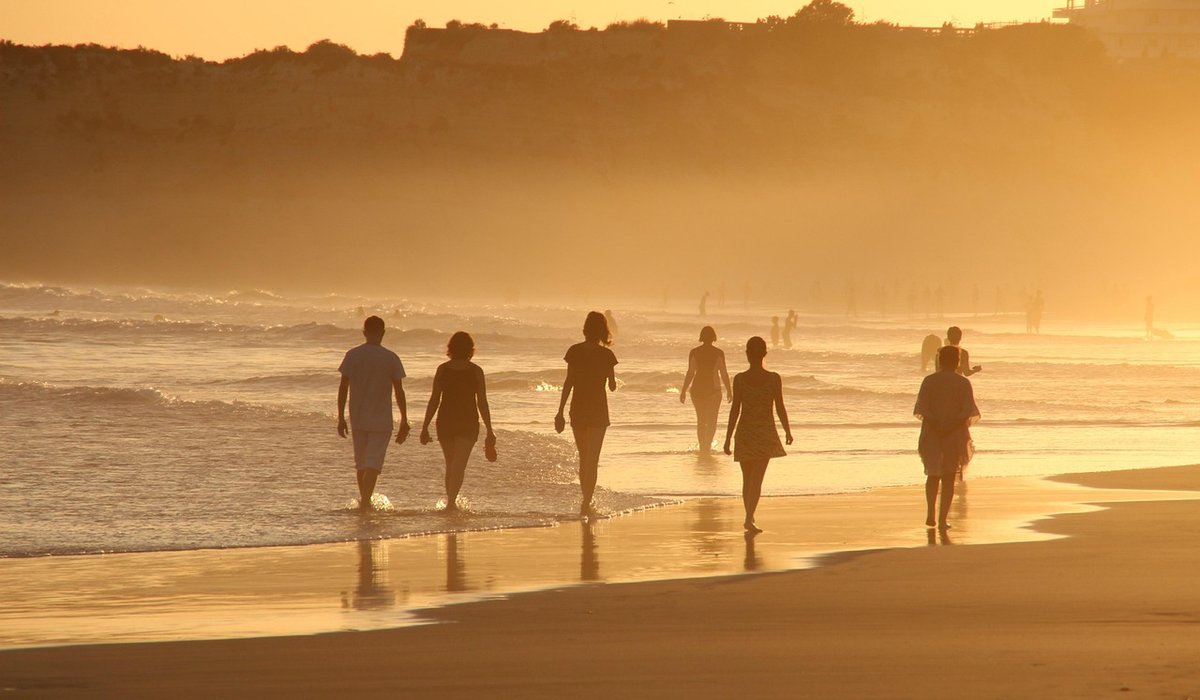
Making Your Community Circle More Welcoming to Everyone
Community groups are one of the quiet triumphs of life in the UK. From village halls in the Cotswolds to community centres in inner-city Birmingham, from allotment societies to walking groups, these gatherings offer something increasingly precious: the chance to build genuine friendships and grow in confidence. Yet many groups unintentionally make it harder than it needs to be for newcomers to walk through the door. The good news is that small, practical changes can transform a group from politely welcoming to genuinely inclusive.
Why the First Five Minutes Matter Most
Think back to the last time you joined something new. Your stomach probably tightened slightly as you approached the door. You may have wondered whether you would know anyone, whether you would say the wrong thing, or whether you would quietly slip away after ten minutes. That nervousness is completely normal, especially for adults who have moved to a new area, changed life circumstances, or simply lost touch with old friends.
The opening moments of any gathering set the tone for everything that follows. A greeting, a name badge, someone offering to fetch you a cup of tea: these tiny gestures carry enormous weight. They tell a newcomer that they are expected, wanted, and not an inconvenience. In a country where reserved politeness is the norm, it is easy to assume people will simply find their feet. Often, they will not.
Make sure at least one person is tasked with watching the door and welcoming arrivals. Rotate the role so it does not fall on the same tired volunteer every week. It is a small job, but it changes everything.
Make Your Venue Easy to Find and Easy to Enter
Accessibility begins before anyone steps inside. Ask yourself honestly: could a stranger find you without ringing for help? Practical improvements include:
- Clear, weatherproof signage at the entrance, using large, high-contrast lettering
- Well-lit pathways and car parks, particularly for evening meetings in winter
- Step-free routes, ramps, and handrails where needed
- A hearing loop and clearly positioned seating for anyone who lip-reads
- An accessible toilet that is actually unlocked and clearly signposted
- Information about nearby bus stops, parking, and drop-off points
Inside, consider the layout. Rows of chairs facing a speaker can feel intimidating; a loose circle or café-style tables make conversation easier. Keep the room warm enough, as many older members feel the cold acutely, and avoid strong air fresheners and perfumes that can affect people with respiratory conditions. If refreshments are provided, always offer a non-alcoholic and a dairy-free option. It costs very little and signals that everyone has been considered.
Communicate Clearly, Without Assumptions
Not everyone reads emails, uses social media, or can easily scan a dense poster. Share information through several channels, such as a printed notice in the local library, a simple website page, and word of mouth through nearby shops and surgeries.
When describing your group, be specific. Say what actually happens during a session, how long it lasts, whether there is a cost, and whether people can simply turn up. Vague invitations like "come along and see" leave newcomers guessing. A short welcome note answering the most common questions can be handed to every first-timer, and it takes minutes to write.
Watch your language, too. In-jokes, acronyms, and references to "the usual crowd" can unintentionally signal that this is a closed circle. Explain anything that might confuse a newcomer, and never assume prior knowledge of local history or previous events.
Design Meetings So Newcomers Can Join In
Structure matters more than most organisers realise. Consider these adjustments:
- Start with a gentle welcome and a brief round of introductions, keeping each contribution to thirty seconds or so
- Offer a named buddy for the first few sessions who will sit with the newcomer and answer questions
- Break larger gatherings into smaller tables for part of the time, so quieter voices are heard
- Publish a rough timetable so people know when the meeting ends and can plan their journey home
- Build in a proper break, and make sure newcomers are not left standing alone
Also consider practical barriers: caring responsibilities, shift work, and limited income keep many people away. Offering a hybrid option, a lift-sharing rota, or a reduced fee for those on a low income can open the door to people who would otherwise stay at home.
Build Confidence and Friendship Beyond the Meeting
Belonging grows between gatherings, not just during them. Simple social opportunities such as a monthly coffee morning, a bring-and-share lunch, or a walk before the main meeting help friendships form naturally. Pair newer members with longer-standing ones for small tasks, which gives everyone a role and a reason to talk.
Encourage members to follow up with anyone who has missed a session. A quick message saying "we missed you, hope you are well" is often the difference between someone returning and someone quietly drifting away. Celebrate small milestones, thank volunteers publicly, and be patient with quieter members who need time to settle. Confidence rarely arrives overnight; it is built through repeated, warm, low-pressure contact.
Finally, review your approach regularly. Ask newcomers what nearly stopped them coming, and act on what you hear. The most welcoming groups are not the ones with the biggest budgets, but the ones that keep paying attention. Whether you run a choir, a book club, or a repair café, the aim is the same: to make your community circle a place where anyone can walk in, breathe out, and feel at home.


Local Circles
-
Consistent, low-pressure gatherings give people time to move from small talk towards genuine trust and shared experience over time.


Confidence




-

Long established fact that a reader will be distracted
-

Long established fact that a reader will be distracted
-

Long established fact that a reader will be distracted




Friendship
Karla Gleichauf
12 May 2017 at 05:28 pm
On the other hand, we denounce with righteous indignation and dislike men who are so beguiled and demoralized by the charms of pleasure of the moment
M Shyamalan
12 May 2017 at 05:28 pm
On the other hand, we denounce with righteous indignation and dislike men who are so beguiled and demoralized by the charms of pleasure of the moment
Liz Montano
12 May 2017 at 05:28 pm
On the other hand, we denounce with righteous indignation and dislike men who are so beguiled and demoralized by the charms of pleasure of the moment